Here’s a radical thought – your waste is so full of resources it can help you save costs, while you help the environment.
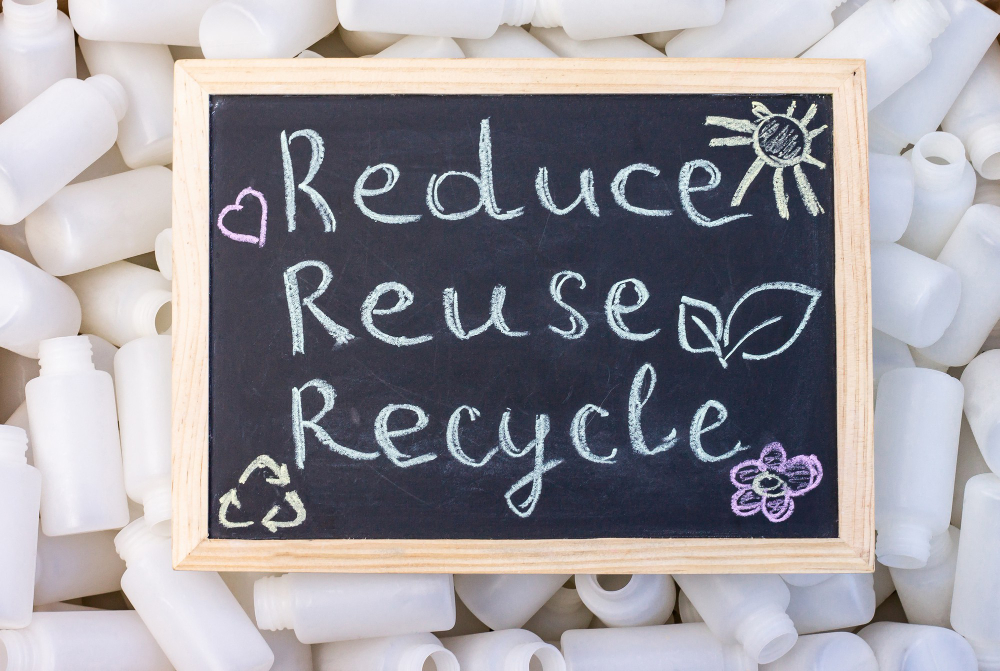
Take that food waste in your kitchen for instance. It’s got electricity, gas and compost in it. Your sewage? That’s non-metered, constant water for your flush tank and garden and of course, it generates compost as well. And then there’s the multitude of dry wastes that are constantly being recycled… your discarded plastic bags and bottles could well be part of plastic-asphalt roads.
It’s called Sustainable Living
The United Nations, in 1987, defined sustainability as “meeting the needs of the present without compromising the ability of future generations to meet their own needs”. Waste management shows us that over 98% of all waste generated is reusable and recyclable.
Ok, but how can waste be tackled in a sustainable way?
All it actually takes is a slight change in thinking and the initial effort it takes to build a habit, a good one in this case.
So, what are the fundamentals of living a sustainable life?
If you look at the places that have garbage issues – like Goa for instance – you realize that waiting for someone else, to tackle the burgeoning problem means things tend to remain unchanged.
“As long as there are no systems in place people tend to think that way,” says Samruddh Hegde Desai of
AlterEnergyZ.
“Go to a temple and you have to take your slippers off before entering because that atmosphere has been created, so automatically you do it. Similarly, if you keep a place clean the public will do the same.”
Sustainability, in simple words, is the ability to keep something going for a long time. Your choice to live a sustainable life means you will be helping the environment, which is a dire need of the hour, and you will also be helping yourself. Give it a shot.