Our Blogs
Smart Waste Management in India: How IoT & AI Are Transforming Communities
Smart waste management in India is rapidly evolving as cities, residential societies, and businesses adopt IoT and AI-driven technologies to improve waste collection, segregation, and recycling. While India’s waste processing capacity has grown from just 16% in 2014 to over 80% under the Swachh Bharat Mission, inefficiencies in collection, segregation quality, and compliance continue to strain budgets and public health systems.
Smart Waste Management is the next evolution—merging Internet of Things (IoT), Artificial Intelligence (AI), and data analytics to help residential societies, corporate campuses, and urban local bodies manage waste more effectively.
The Digital Waste Ecosystem: Beyond Smart Bins and Manual Collection
Today's smart waste systems are much more than just sensor-enabled bins. They form an integrated digital ecosystem:
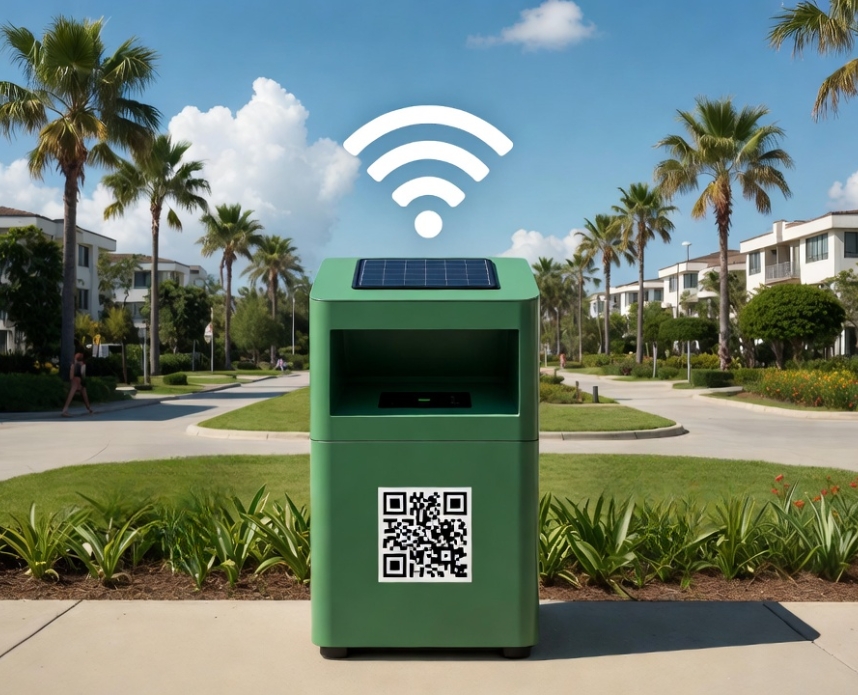
IoT-Enabled Waste Collection Systems
- Smart bins with fill-level sensors and solar-powered telemetry send real-time data.
- Dynamic routing allows collection vehicles to pick up waste only when needed, cutting fuel use.
- Overflow alerts reduce issues like rodent infestations and leachate during monsoons.
- RFID-tagged bins ensure accountability, especially in public or coastal zones.
AI-Driven Waste Segregation & Quality Control
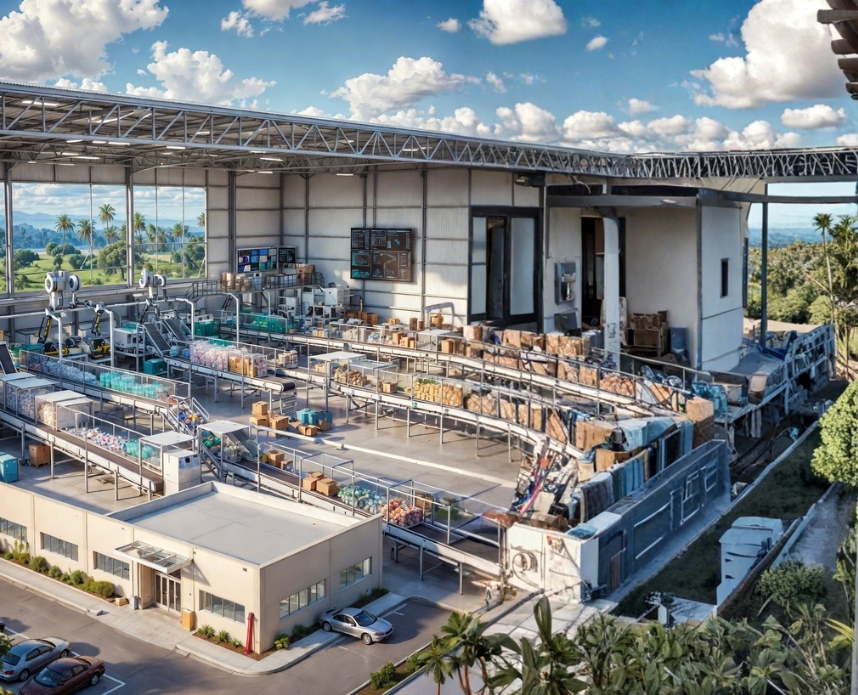
- Optical sorters at MRFs (Material Recovery Facilities) separate recyclables with over 95% accuracy.
- AI distinguishes between:
- Food-grade and non-food-grade plastics
- Coated vs. uncoated paper
- Contaminant detection improves recycling quality by rejecting hazardous materials.
Predictive Analytics for Seasonal Waste in Goa
In tourism-driven regions like Goa, smart waste technologies play a critical role in helping hospitality properties meet zero-waste to landfill and sustainability compliance requirements.
- Goa’s tourist season doubles waste generation.
Smart platforms forecast:
- Extra collection requirements
- Increased composting capacity
- EPR compliance needs for commercial waste producers
Smart MRFs and the Circular Economy
The Material Recovery Facility (MRF) is the backbone of a circular waste economy:
- Automated weighbridges log every load with time-stamped blockchain entries.
- Baling and densification reduce the cost of transporting low-value recyclables.
- Digital marketplaces connect MRFs to national recyclers for better price transparency.
Sector-Specific Waste Management Applications
Residential Societies & Gated Communities
In areas like Porvorim and Dona Paula:
- Biomethanation plants generate biogas for lighting common areas.
- RVMs (Reverse Vending Machines) offer cashback for bottles and cans.
- Transparency dashboards let residents see real-time recycling and diversion rates.
Corporate & Industrial Campuses
- Blockchain audit trails help meet ESG and BRSR documentation.
- Solar compactors reduce pickup needs for lightweight packaging.
- Automated EPR reporting integrates directly with CPCB's compliance portals.
Conclusion: Future-Proofing Goa's Waste Infrastructure
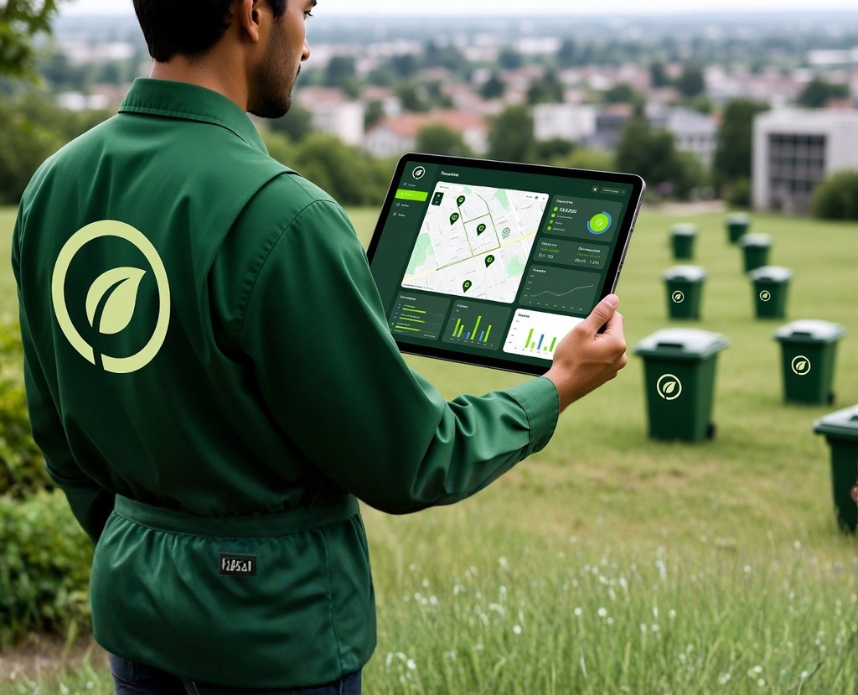
Transitioning from "waste collection" to "resource recovery" requires smart infrastructure AND reliable ground operations.
This blog highlights the possibilities of smart waste management technologies and how they can benefit Goa's communities. While not every service provider implements these advanced solutions, they remain within reach.
If your community or business aspires to become a sustainability champion and doesn't know where to begin, connect with AlterEnergyZ.

-
Phone:+919370919201

-
Phone: +919370919202
-
Email: alterenergyz@gmail.com
-
Email: info@alterenergyz.in
Office Address:
1st Floor, Office No. 3, J
S Vas Arcade, Next
to IndusInd
Bank, Comba, Margao, Goa – 403601
